When it stops cooling
Air Conditioning Repair
A system that won't come back on is usually a small part hiding behind a bigger symptom. The panel comes off, the fault gets isolated, and the fix gets explained before anyone leaves the driveway.
Why a repair call starts with the panel, not a guess
One recent call came from a homeowner who had just moved in and put a new Nest thermostat on the wall. Somewhere in that swap, the system tripped and the AC would not come back on. She had no idea where to start looking, which is normal, most homeowners do not know a thermostat change can trip a low-voltage fuse on the board behind it. Nate isolated the issue, replaced the blown fuse, sorted the thermostat wiring, and the AC was running again in the same visit. Marcy Johnson's repair went the same way for a different fault: he showed up on time, worked through it quickly, and actually explained what had gone wrong instead of just handing back a running system and a bill. That is the order every repair call follows here. Find the real fault first, whether it is a fuse, a capacitor, or something further into the cabinet, then fix that specific thing rather than swapping parts until something sticks.
A same-night call is not unusual
One review describes calling late in the evening with a dead system and no real hope of getting seen before morning. An appointment landed for that same night anyway, and Nate had the AC fixed before the night was over, at what the homeowner called reasonable prices. Texas summers do not wait for business hours, and a system that quits at eight at night is not a problem that can sit until Monday.
Prime Texas Air is rated 5.0 from 20 Google reviews, and four of the five most recent name the same technician, Nate, by name. Call (832) 586-6884.
Before the truck rolls
What usually turns out to be wrong
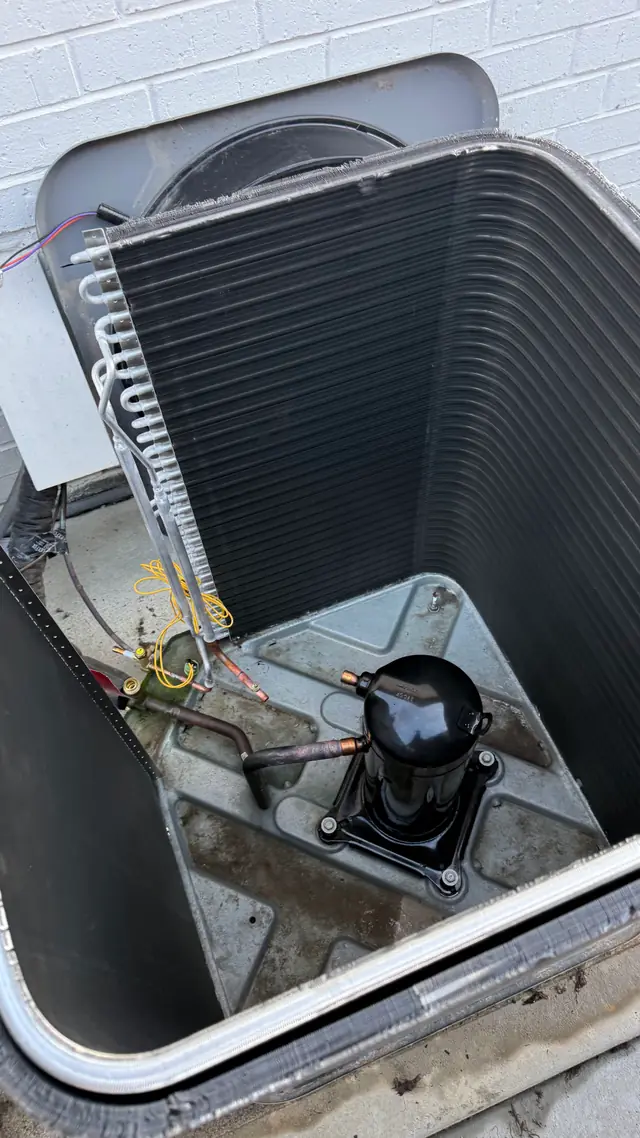
Most no-cool calls trace back to a short list of usual suspects, and the Gulf Coast humidity around The Woodlands leans on all of them harder than a dry climate would. A blown low-voltage fuse is common right after a DIY thermostat swap, since the wrong wire touching the wrong terminal for a second is all it takes. A failing capacitor or a worn contactor can leave the outdoor unit humming without actually starting, which feels like the whole system died even though it is one small part. Coils running dirty from months of pollen and humidity choke the airflow long before anyone notices the house is not cooling like it used to, and a refrigerant charge that has slowly leaked low will keep a system running while it does less and less work for the same power draw. None of these get diagnosed from the driveway. They get found by opening the cabinet and testing, which is the whole point of starting with the panel instead of a guess.
If the fault turns out to be bigger than a repair makes sense for, that conversation happens honestly, and installation is the next step rather than a second repair on a system near the end of its life. For houses that keep landing on the same fault every summer, a seasonal maintenance visit catches most of this list before it turns into a no-cool call at all. The full list of what the shop runs, residential and commercial, is on the services page.